
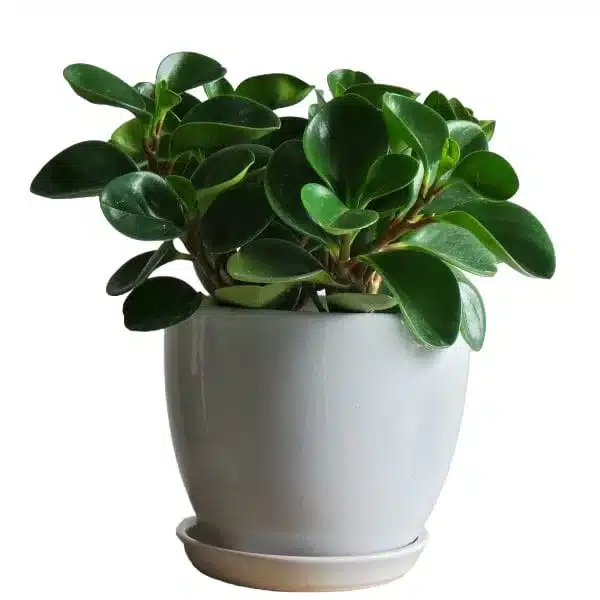
The
baby rubber plant
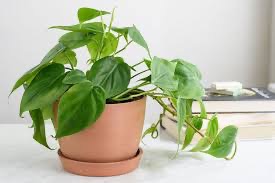
(Peperomia obtusifolia) is a popular, low-maintenance houseplant known for its thick, glossy, spoon-shaped leaves and compact growth. Despite its common name, it is not related to the actual rubber tree (Ficus elastica), but it does share a similar appearance and air-purifying qualities.


Key Characteristics and Care Tips
- Light: This plant thrives in bright, indirect light but can tolerate lower light
- conditions, making it suitable for offices or various spots in the home. Avoid direct, harsh sunlight, which can scorch the leaves.
- Watering: As a semi-succulent, it stores water in its fleshy leaves and stems.
- Watering: As a semi-succulent, it stores water in its fleshy leaves and stems. Water thoroughly when the top 1-2 inches of soil feel dry, and ensure proper drainage to prevent overwatering and root rot.
- Soil: Use a well-draining potting mix, such as a mix of general potting soil, perlite, and orchid bark, to ensure adequate drainage.
- Temperature & Humidity: The baby rubber plant prefers moderate indoor temperatures, ideally between 65°F and 80°F (18°C to 27°C). It appreciates moderate to high humidity but adapts well to average indoor air.
- Toxicity: It is non-toxic to cats, dogs, and humans, making it a safe choice for pet-friendly households.
- Growth Habit: The plant has a bushy, upright, and compact nature, typically growing to about 1 foot (30 cm) tall. Pruning the tips can encourage a bushier appearance.
Popular VarietiesCultivars offer various leaf patterns and colors.- Peperomia obtusifolia ‘Albomarginata’: Features grey-green leaves with a distinct silvery border.
- Peperomia obtusifolia ‘Variegata’: Known for attractive marbled or blotched leaves in shades of green, cream, and sometimes pink or yellow.
- Peperomia obtusifolia ‘Red Edge’: This variety has bright green leaves with dark red-pink edges.
Reviews
There are no reviews yet.